
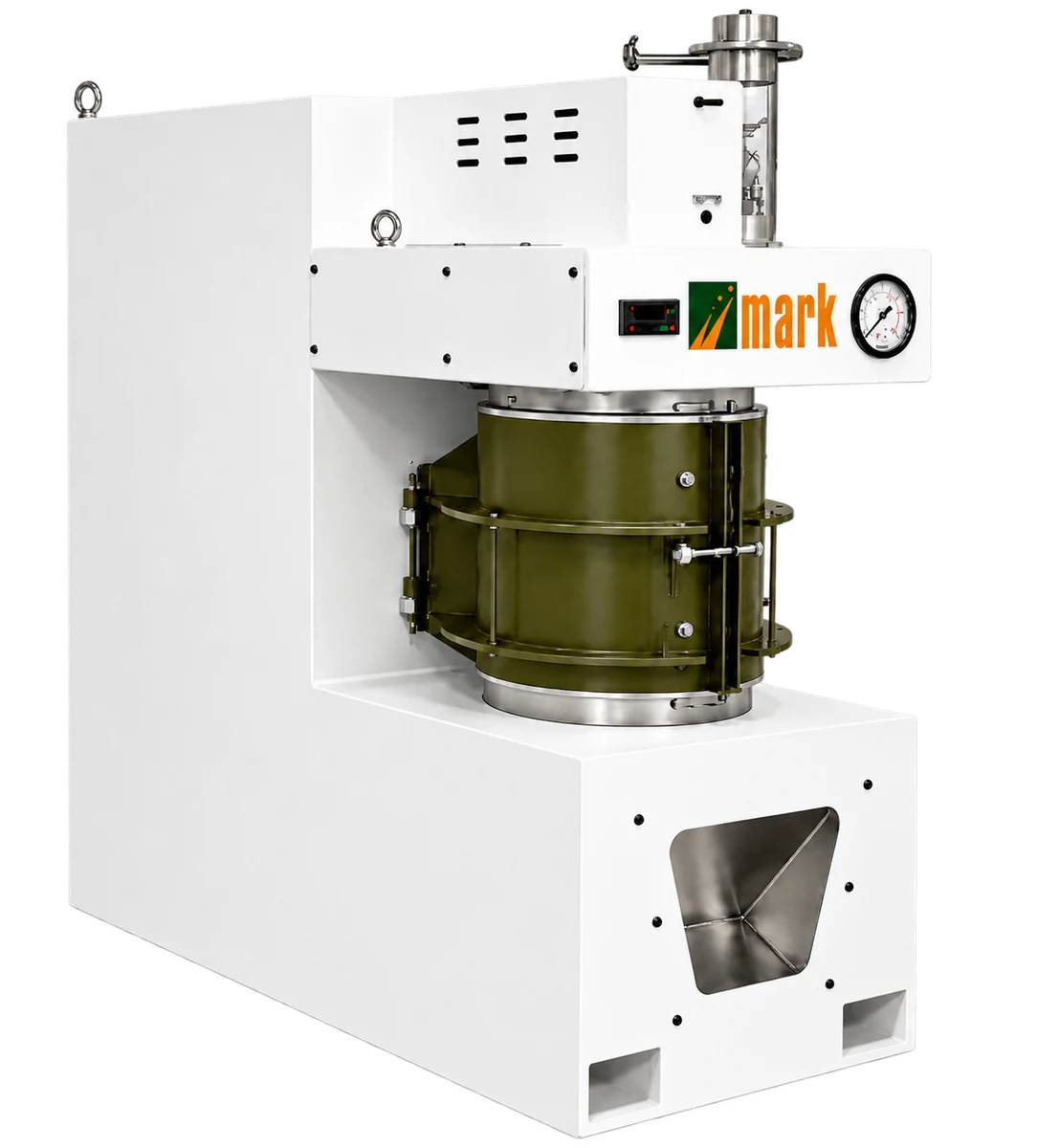
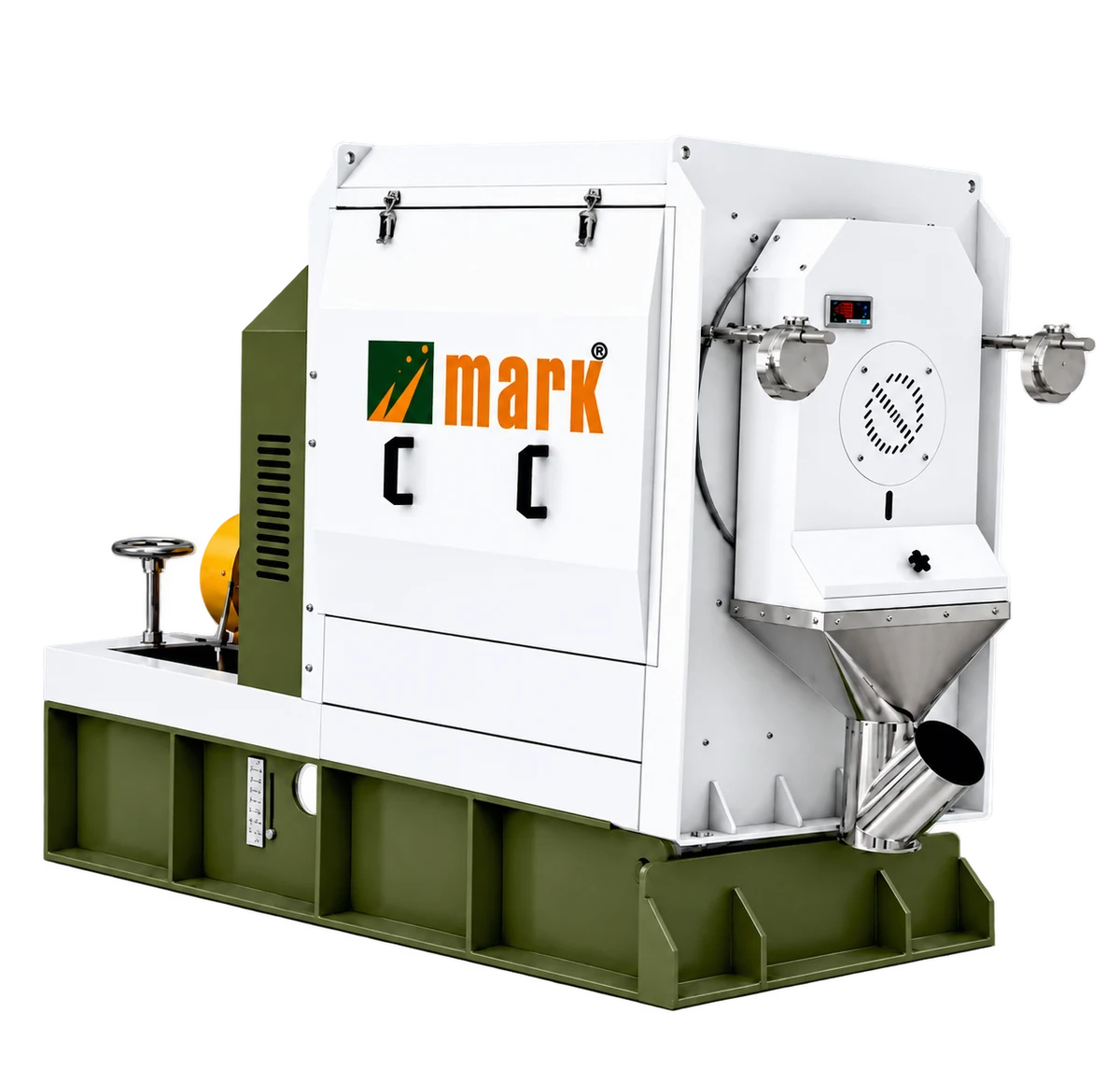
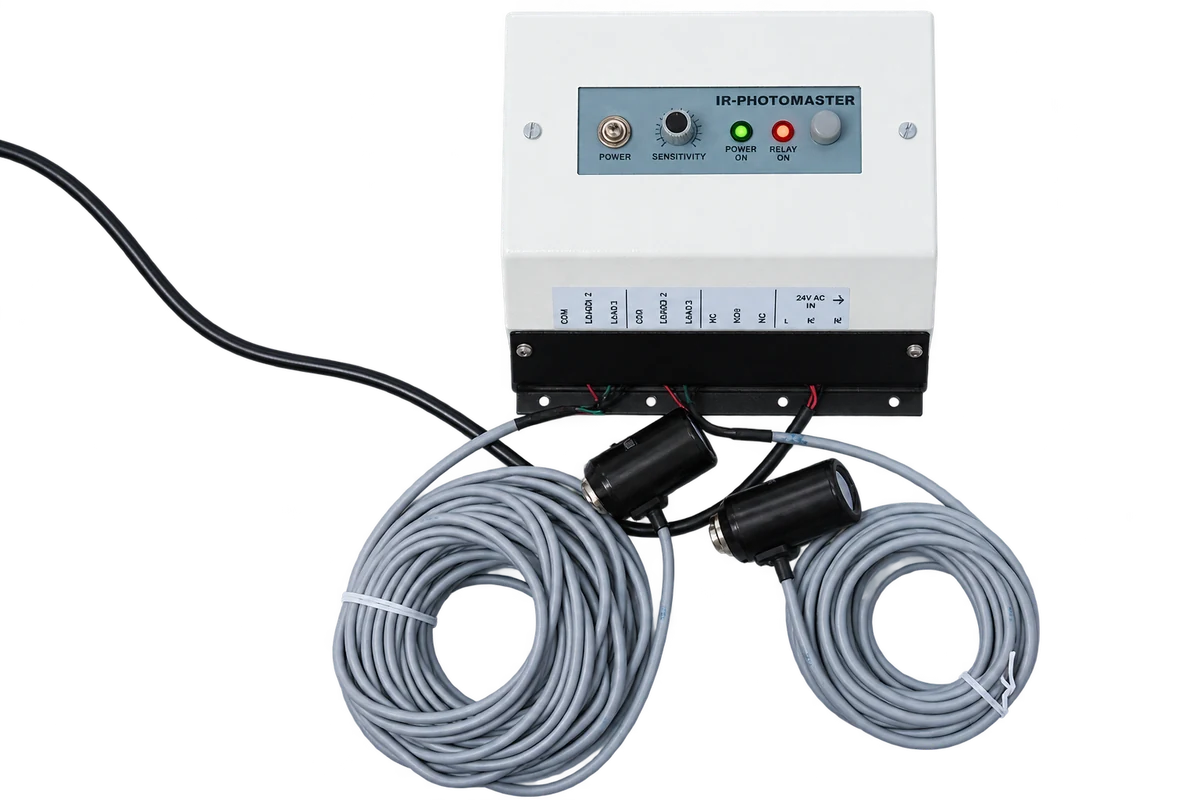
Front-zone monitoring
Monitors the front zone of the roving / simplex machine.
Monitors the front zone of a roving (simplex) machine for roving breakage or irregular feed.
Share your material and production requirements to confirm the suitable configuration.
Explore the MARK range
MARK machinery
Specialist size and hole sorting for pulses, grains, pepper, groundnut, cardamom and millets.
View machine & specifications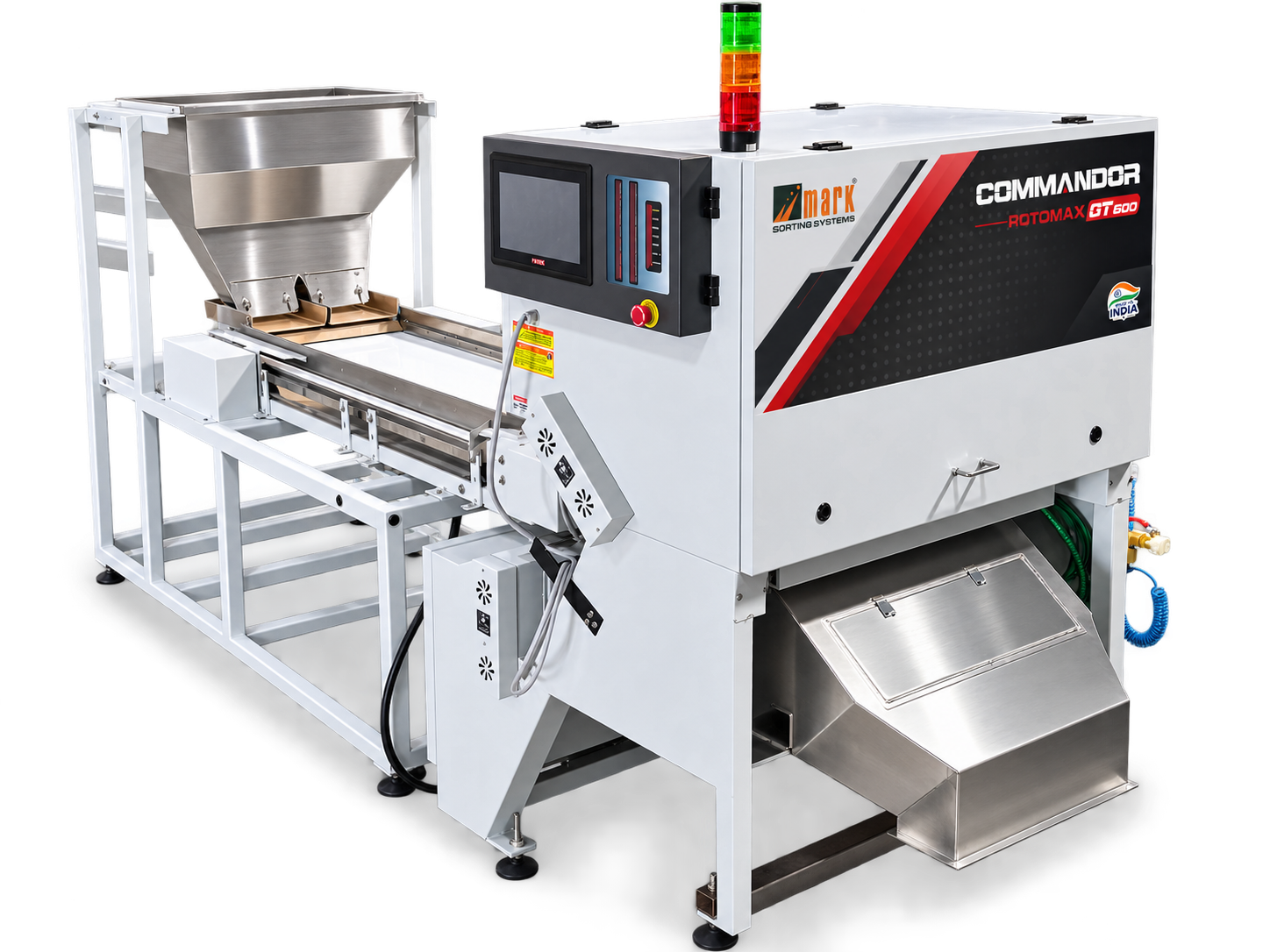
MARK machinery
Belt sorting for makhana, chilli, nuts and garlic, including same-colour peeled and unpeeled garlic separation.
View machine & specifications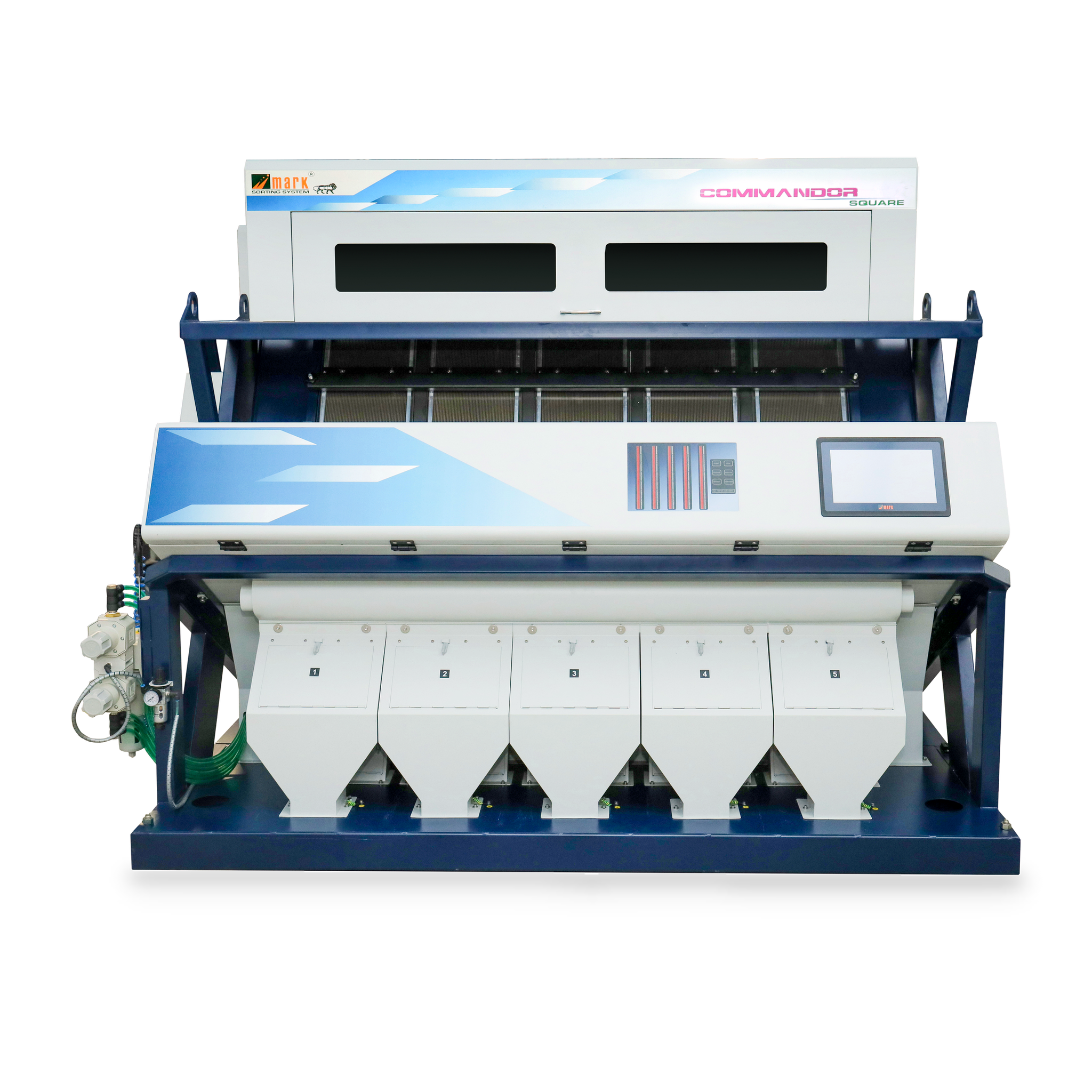
MARK machinery
Intelligent pixel-based sorting for pulses, grains, spices, groundnut and millets.
View machine & specifications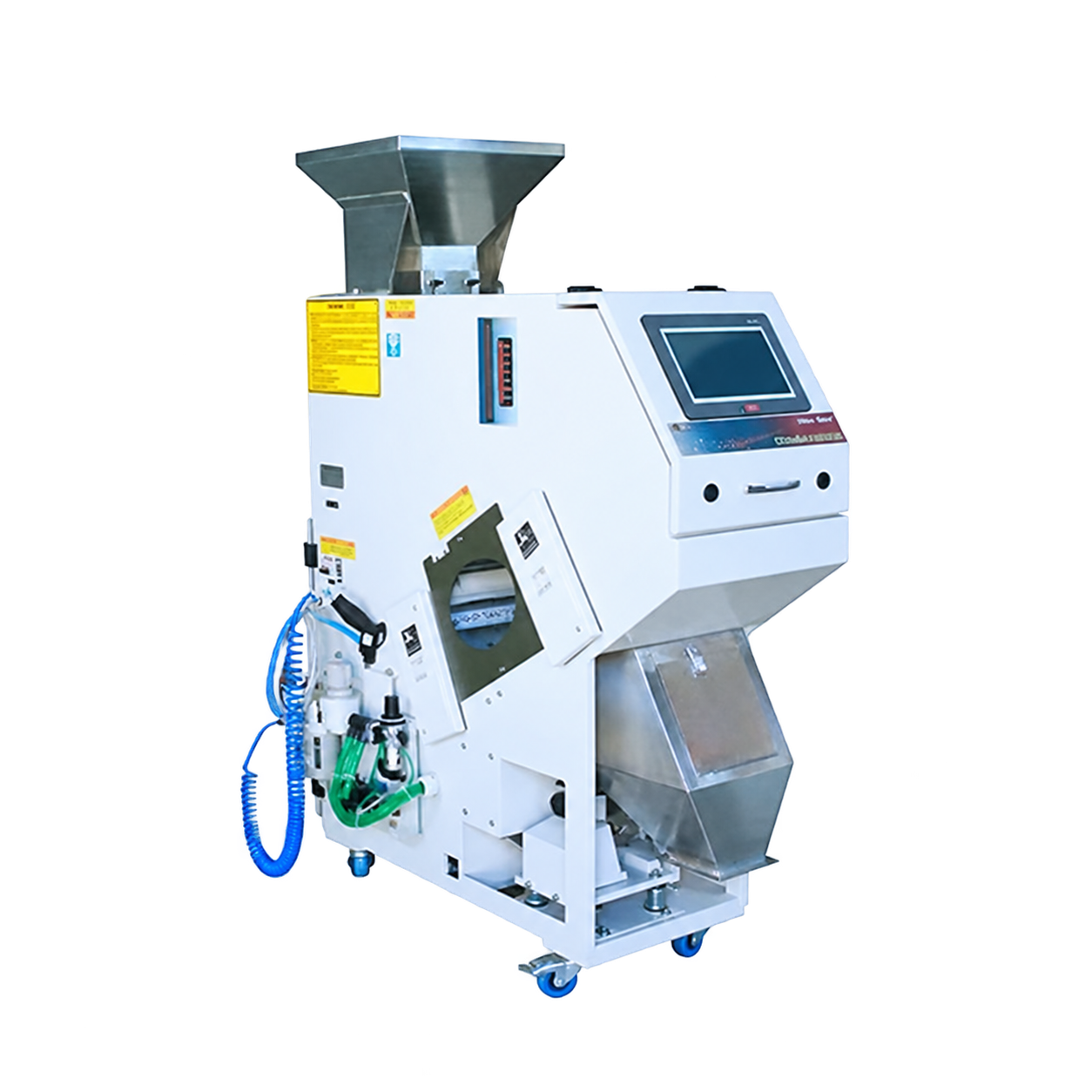
MARK machinery
A compact sorting option for smaller operations. Discuss your material and batch requirements with MARK.
View machine & specifications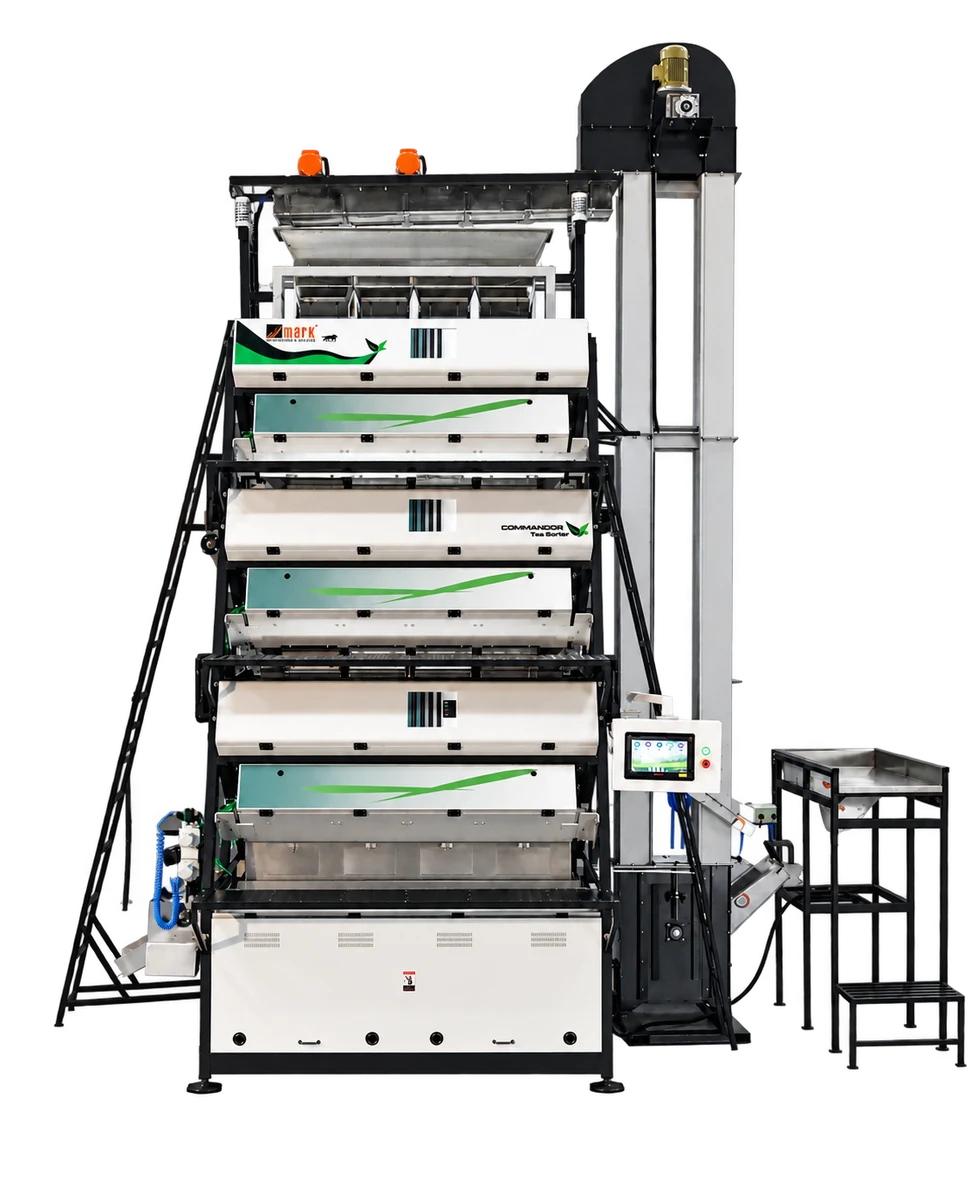
MARK Tea Sorter
Optical sorting for tea processing. Explore the tea samples and equipment in the MARK brochure.
View machine & specifications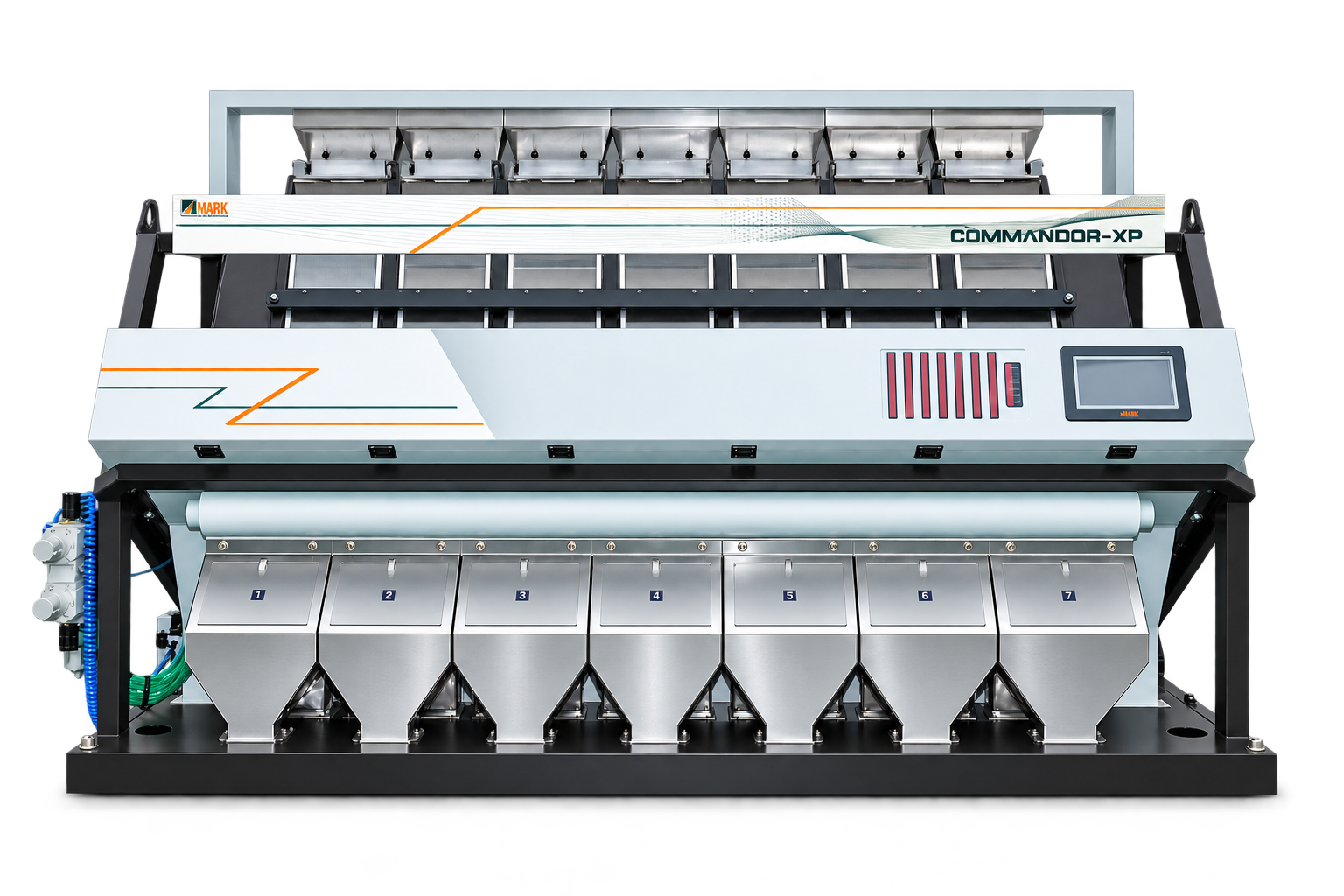
MARK machinery
Colour sorting for plastic granules and flakes.
View machine & specifications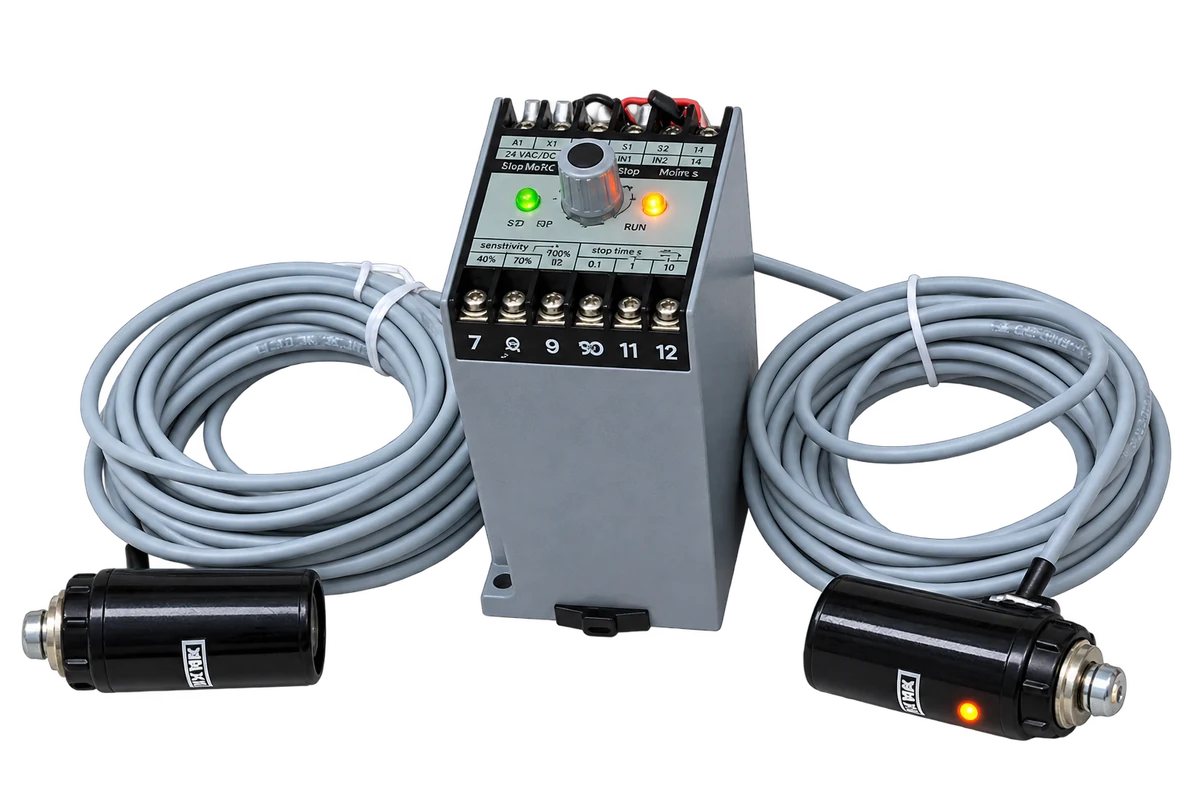
Textile machinery
Monitors carding machines for sliver breakage and irregular sliver movement.
View machine & specifications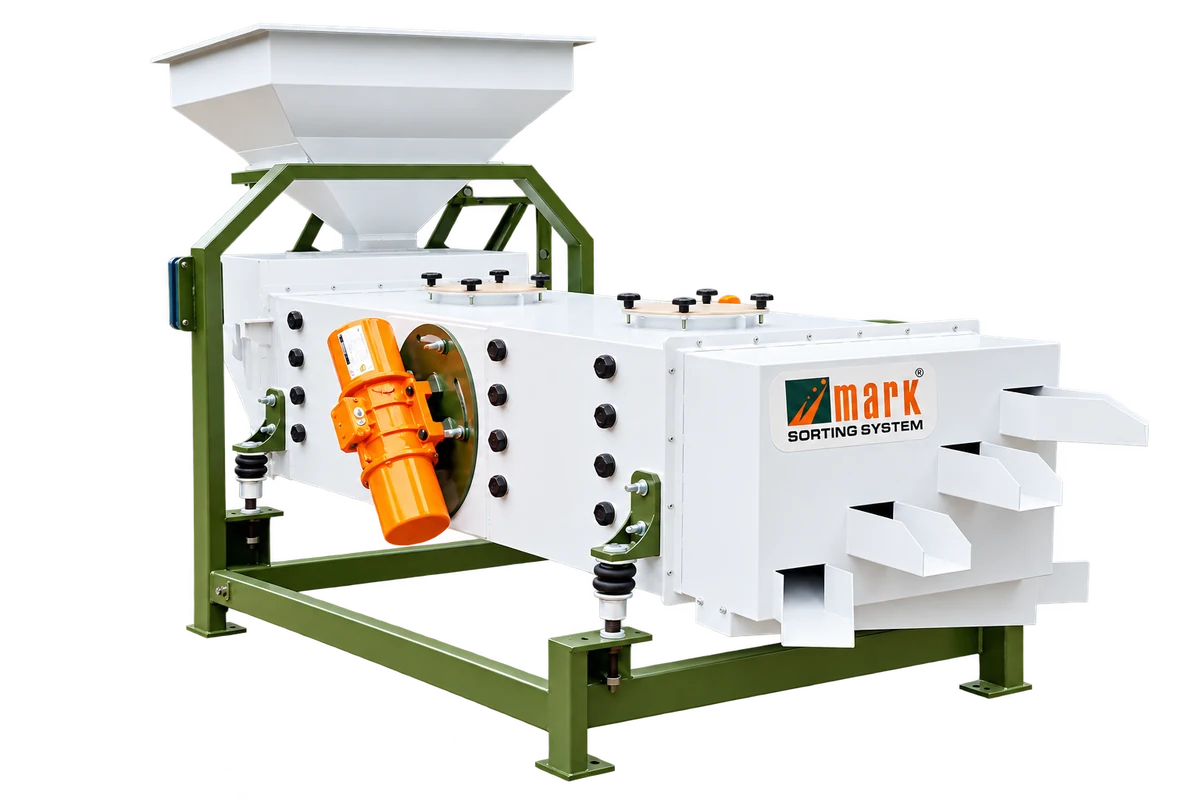
Processing equipment
Multi-deck sieve grading separates dry food commodities into more uniform size groups, with screens selected for the product.
View machine & specifications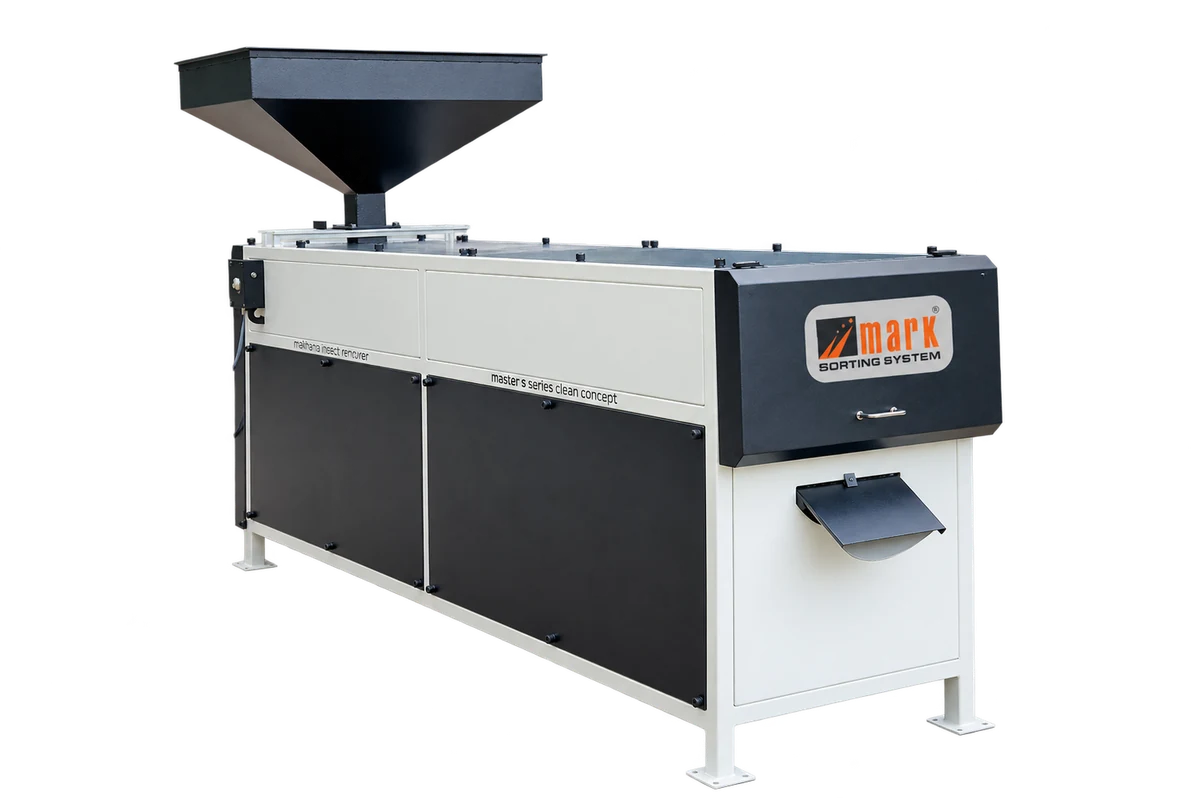
Processing equipment
Adjustable air separation and vibration separate insect-damaged and lightweight material from dry food products.
View machine & specifications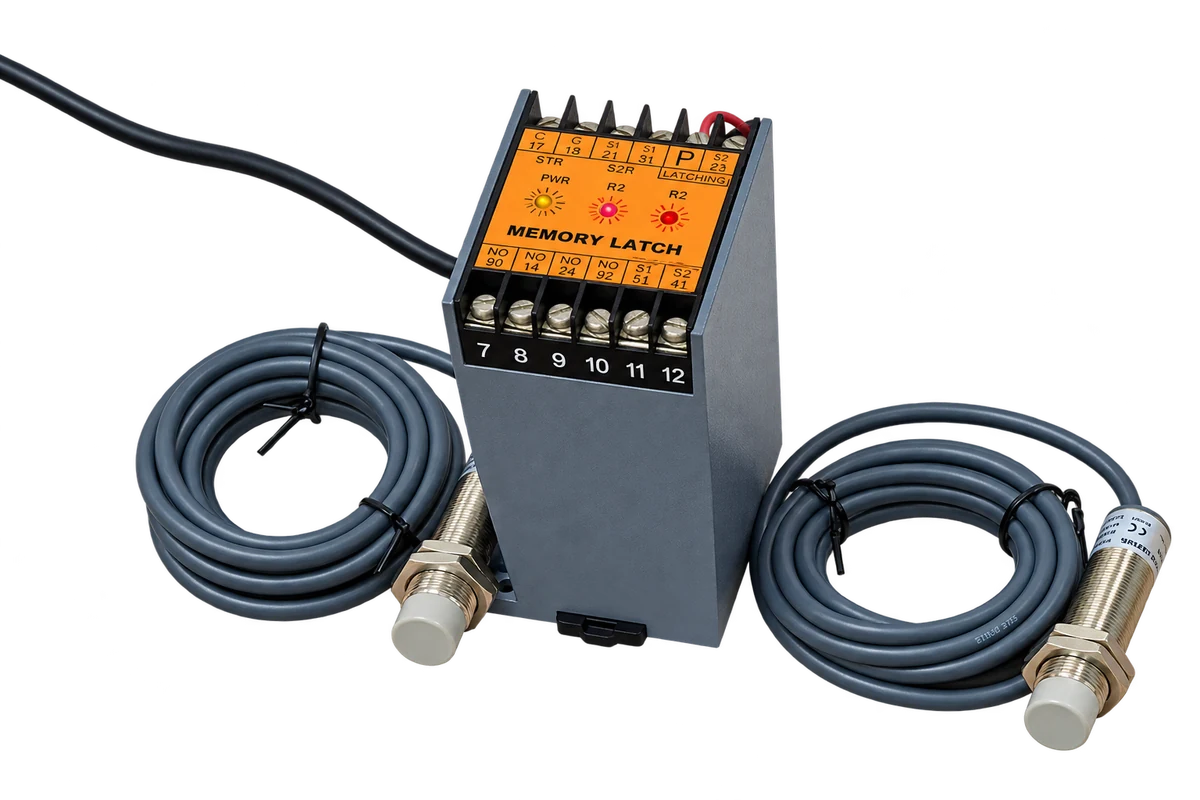
Textile machinery
An electronic control device that retains a signal after its original input is removed.
View machine & specifications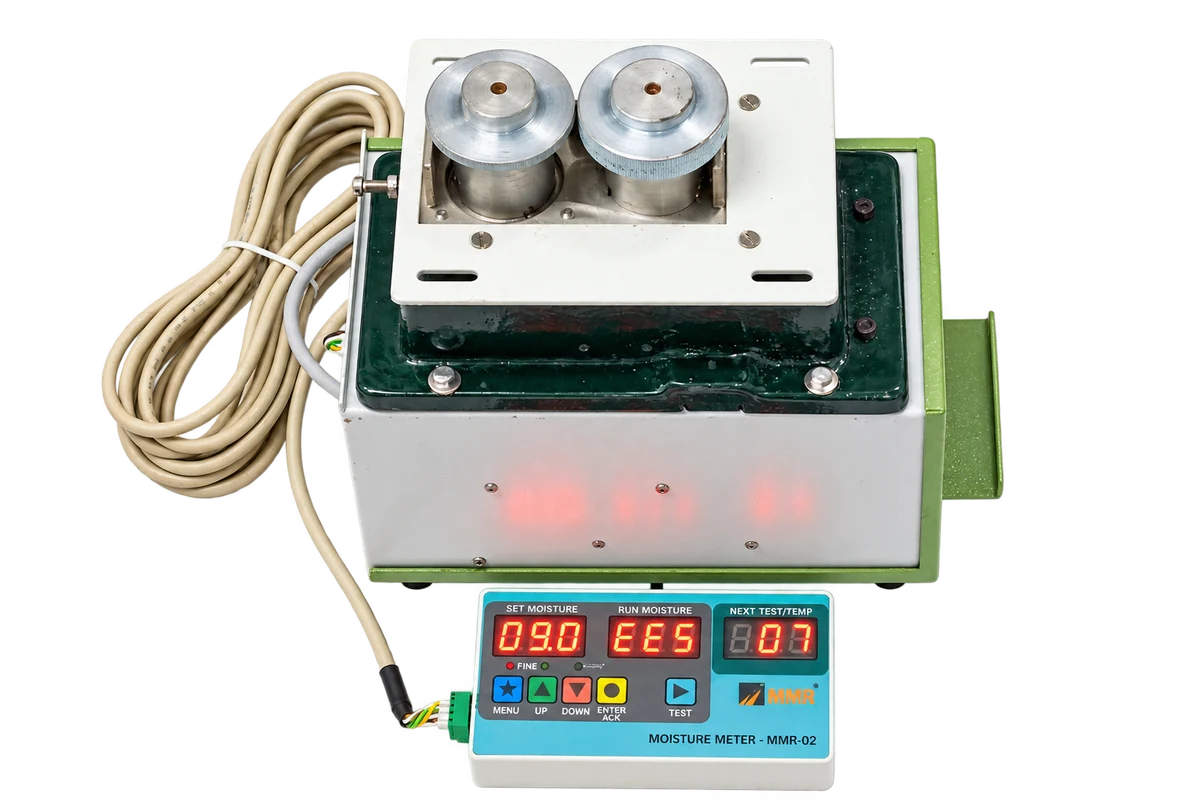
Rice milling machinery
Measures moisture content in materials including grains, cotton and seeds.
View machine & specifications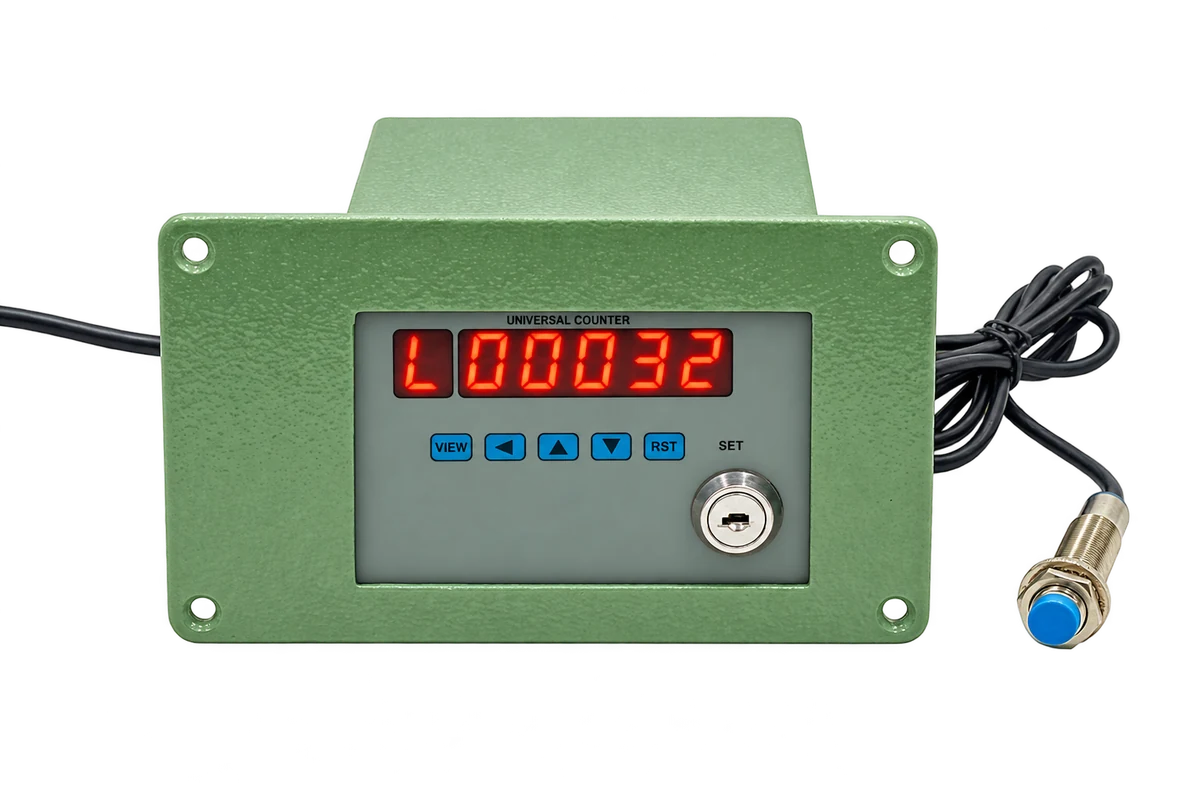
Textile machinery
Product Counter With Sensor is part of the MARK textile machinery range.
View machine & specifications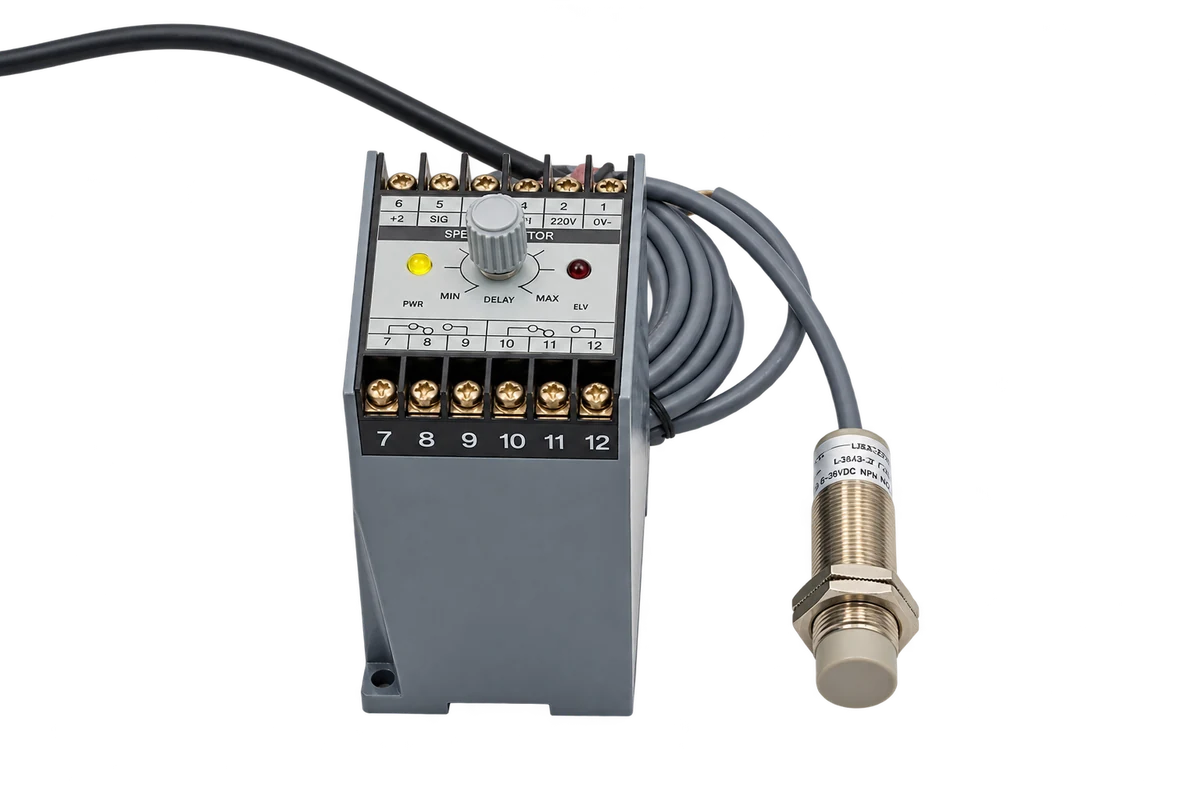
Textile machinery
Regulates motor speed in textile and industrial machines to maintain steady operation.
View machine & specifications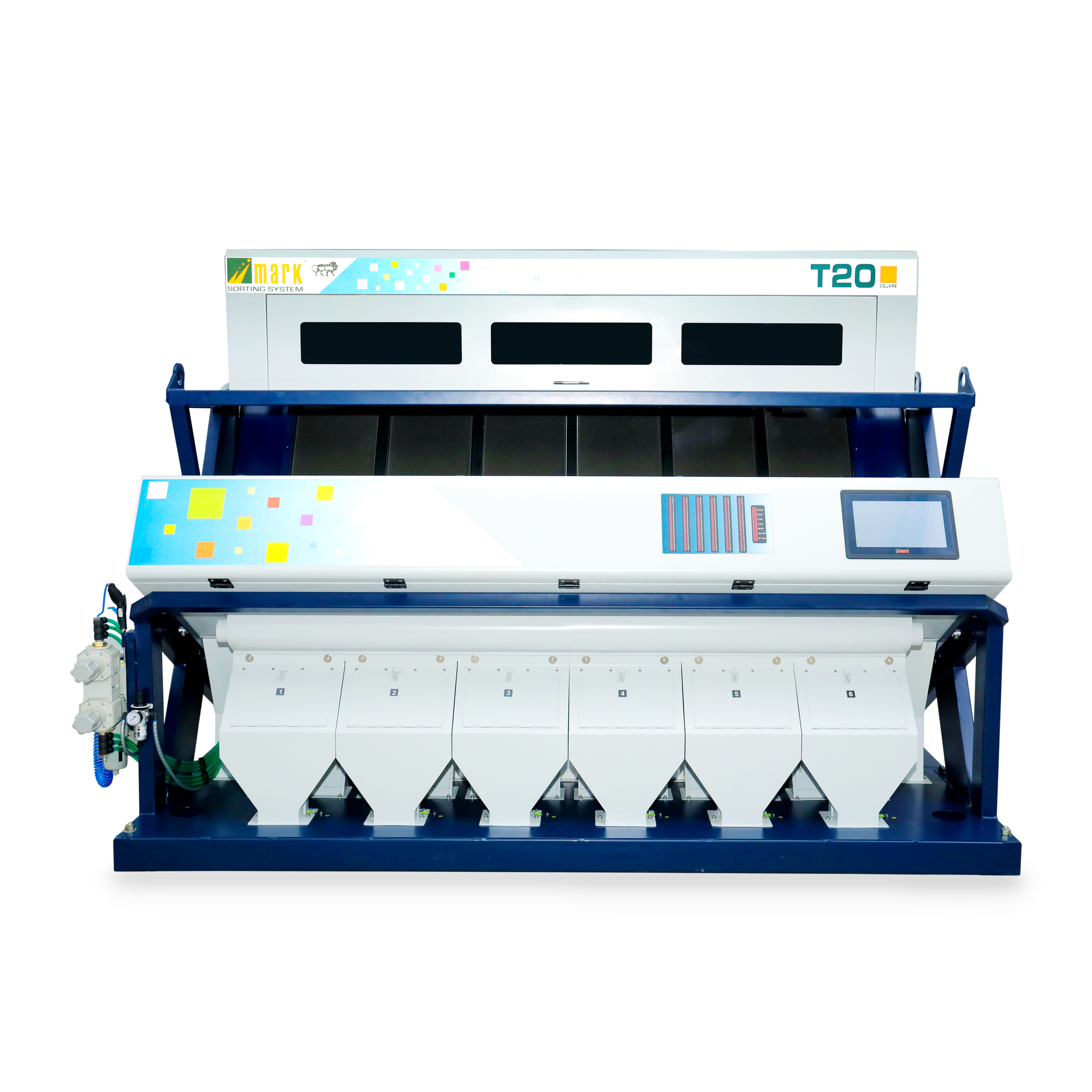
MARK machinery
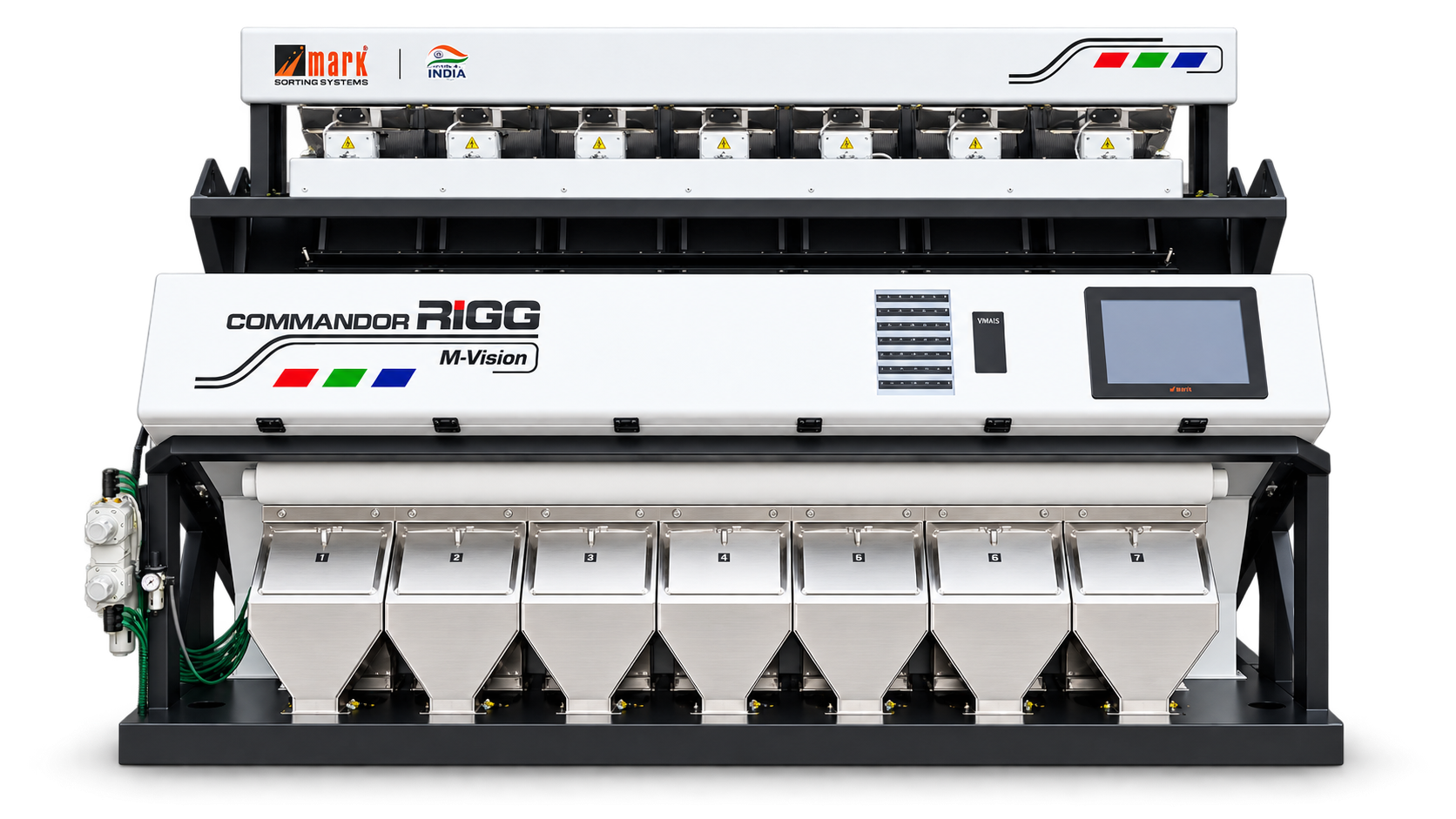
Rice and wheat colour sorting with RGB pixel processing.
View machine & specifications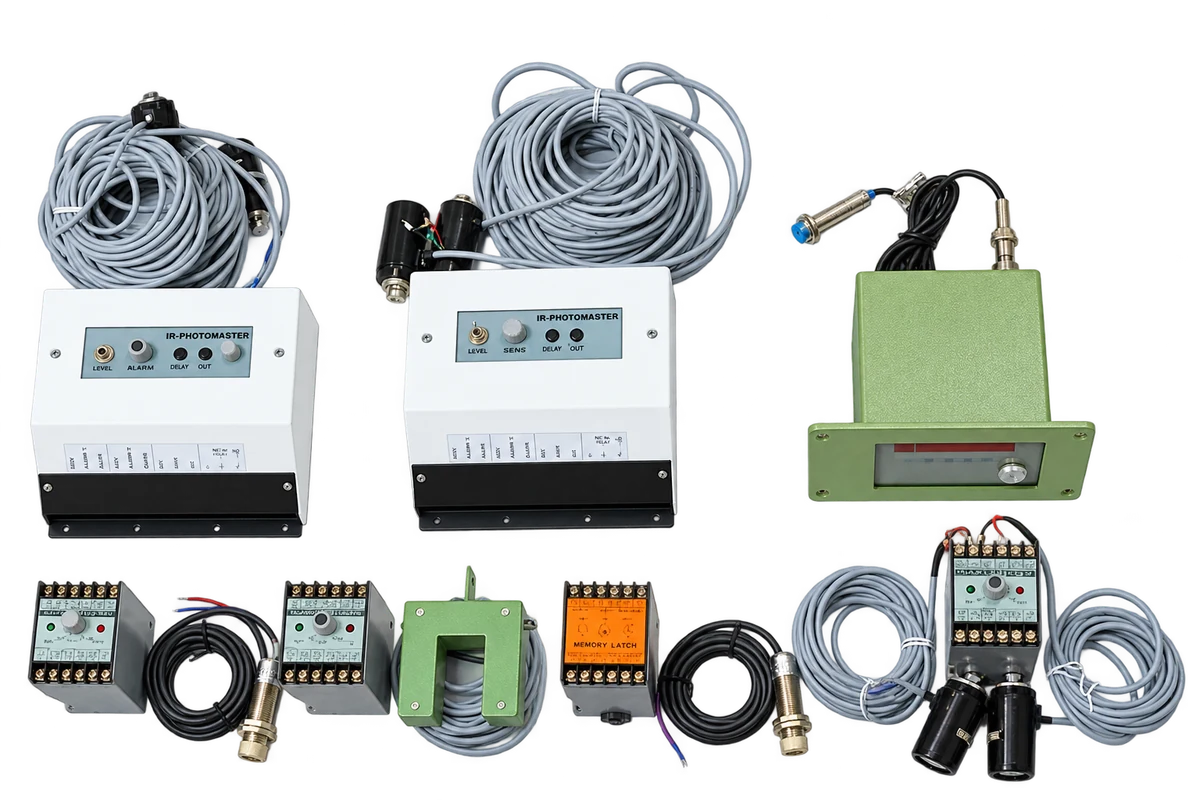
Textile machinery
A detection and stop-control system for textile blow-room lines, used to identify foreign material in cotton before downstream processing.
View machine & specifications